The most common volcanic rock on Earth
Basalt: where it forms, where it is quarried, and how America uses it
Basalt makes up most of the ocean floor, the great flood-basalt plateaus of the Pacific Northwest, the Hawaiian Islands, and the “traprock” ridges of the Northeast. In the United States it is crushed by the tens of millions of tons for roads, rail and concrete, spun into insulation, drawn into fiber, and ground into farm soil. This site explains each use and the exact rock qualities it demands.
Explore the 29 uses & specs Basalt in the USA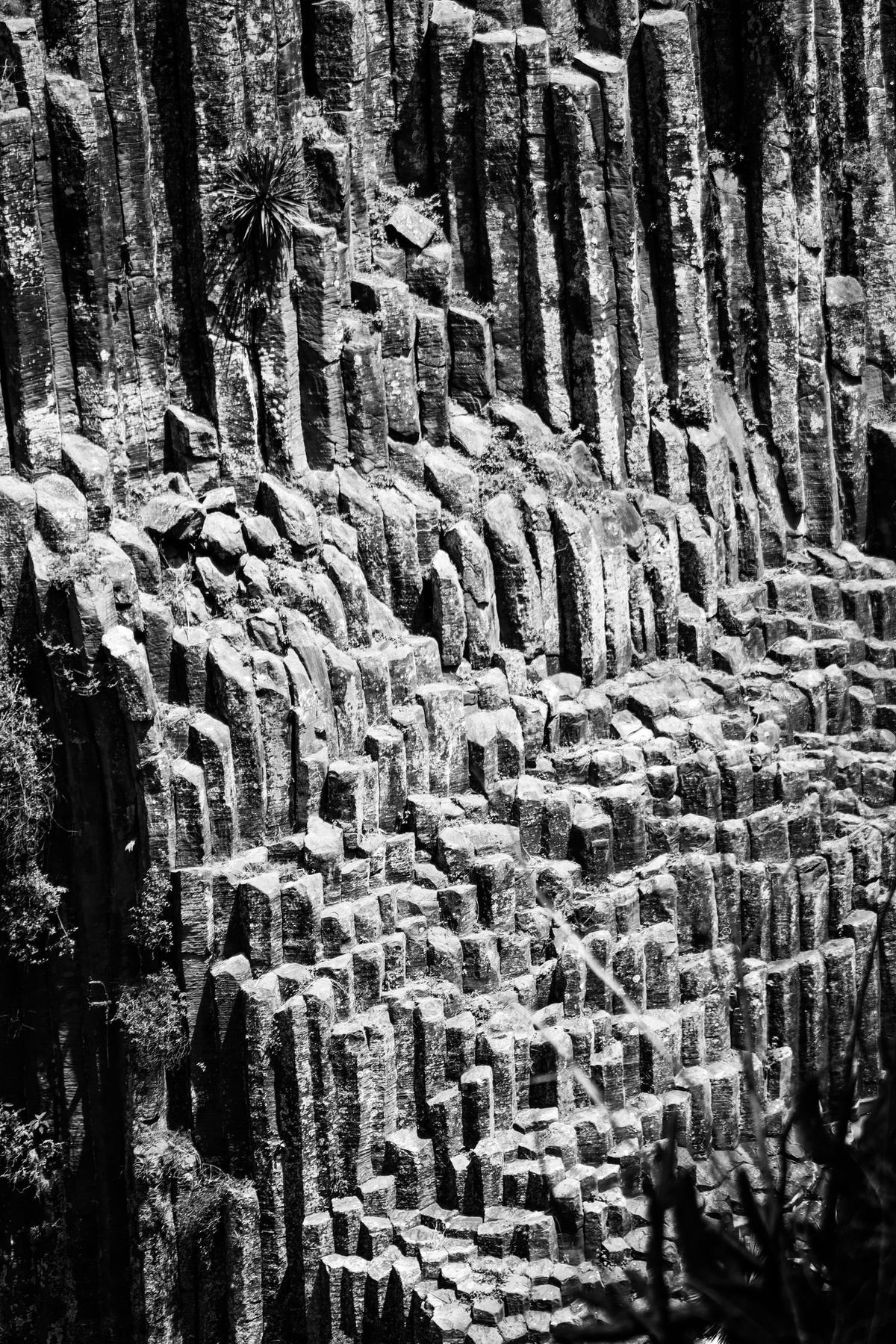
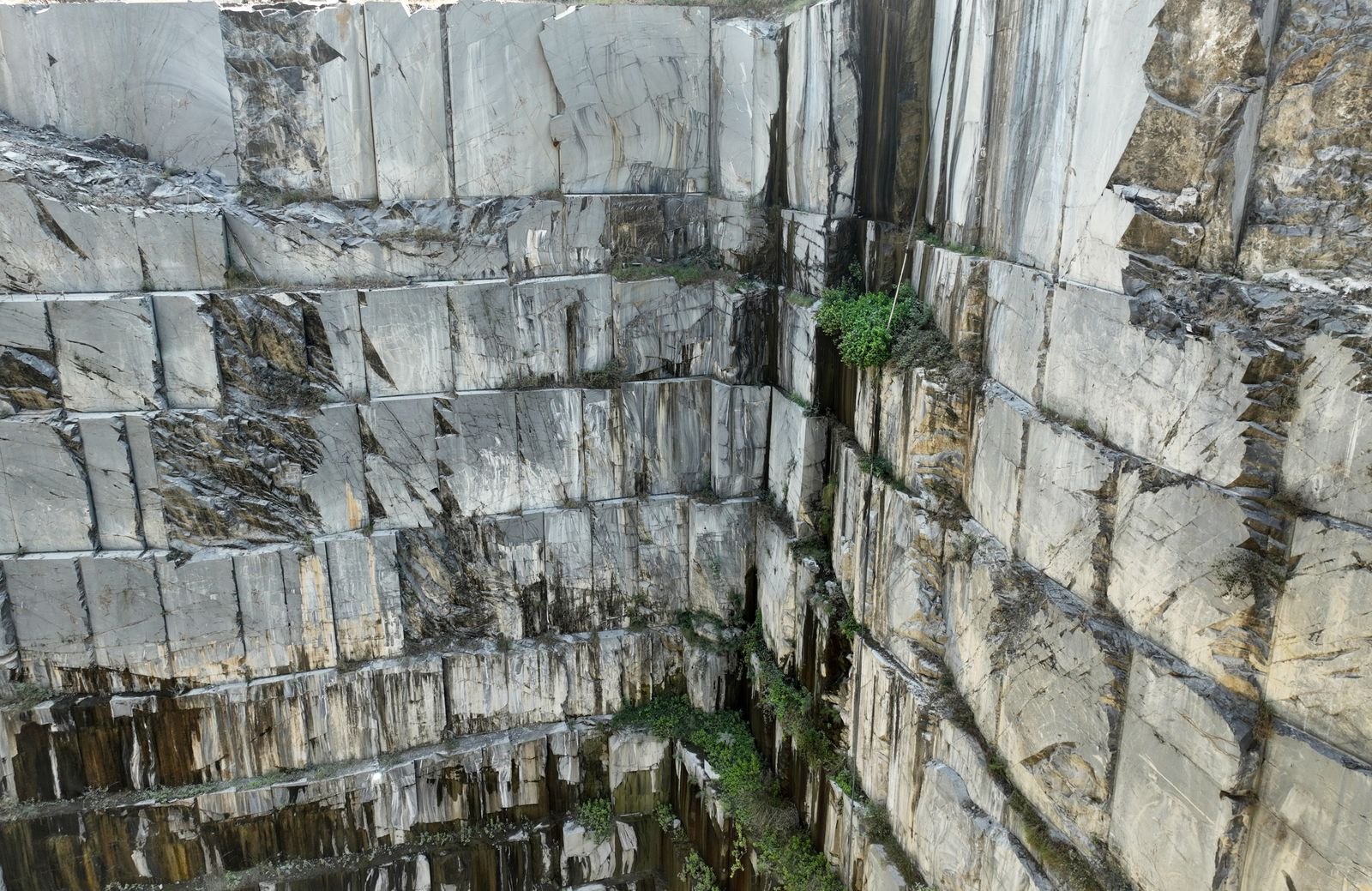
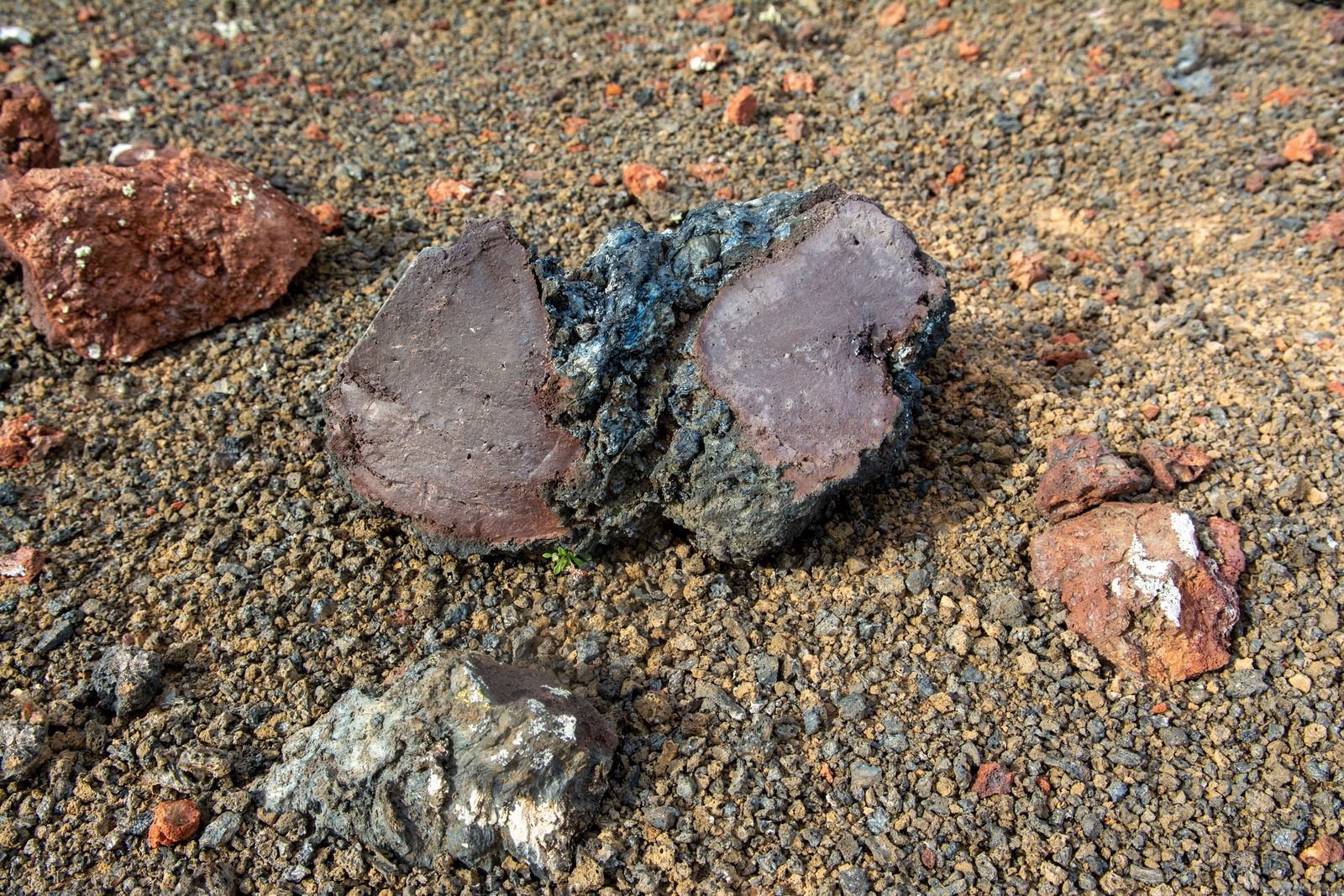
Start here
What is basalt?
Composition, how it forms, the difference between basalt, diabase, gabbro, scoria and “traprock,” and the physical properties that make it useful.
Read →Where basalt is found worldwide
From the Deccan and Siberian Traps to Iceland, Hawaii and the mid-ocean ridges — the largest basalt provinces on the planet.
Read →Basalt in the United States
The Columbia River Basalt Group, Snake River Plain, Hawaii, the Midcontinent Rift, the Northeast traprock belt, and the Southwest volcanic fields — and which states quarry the most.
Read →29 uses & quality requirements
Landscape rock to asphalt friction aggregate to stone wool insulation: what tests each use runs and the numbers basalt must hit.
Read →Little-known uses
Cast basalt liners, lunar-soil simulants, thermal batteries, radiation shielding, CO₂ mineralization, basalt fiber fire barriers and more.
Read →Trace minerals in basalt
Native copper and silver, zeolites, agates, peridot, nickel-copper-PGE sulfides, vanadium-titanium magnetite, and other minerals that raise a basalt deposit’s value.
Read →Featured uses
Landscape Rock & Decorative Stone
Black and charcoal-grey ground cover, boulders, columns, and dry-creek stone for residential and commercial landscapes.
Quality specs →Asphalt Pavement Friction (Skid-Resistant) Aggregate
Coarse aggregate in hot-mix asphalt surface courses where polish resistance and long-term skid resistance are specified.
Quality specs →Stone Wool (Mineral Wool / Rock Wool) Insulation
Melted and spun into fibers for thermal, fire, and acoustic insulation in buildings, ships, and industry.
Quality specs →Railroad Ballast
Large, angular, open-graded stone that locks rail ties in place and drains the trackbed.
Quality specs →Continuous Basalt Fiber & BFRP Rebar
Basalt melted and drawn into continuous filaments, then woven into fabric or pultruded into non-corroding composite rebar and bars.
Quality specs →Enhanced Rock Weathering (Carbon Dioxide Removal)
Spreading crushed basalt on cropland so it reacts with CO₂ and rainwater, locking carbon into bicarbonate that eventually reaches the ocean.
Quality specs →Basalt by the numbers
View as table
| Rock type | Share of U.S. crushed stone |
|---|---|
| Limestone & dolomite | 70% |
| Granite | 14% |
| Traprock (basalt, diabase, gabbro) | 6% |
| Miscellaneous stone | 6% |
| Sandstone & quartzite | 3% |
| Marble, cinder, shell, slate & other | 1% |
Source: USGS Mineral Industry Surveys, crushed stone, 2025 (via Rock Products, Aug 2026).
- Major traprock producer
- Significant basalt / diabase
- Minor basalt or consumer only
- Little or no basalt
Categories from USGS traprock production by state and state geological survey quarry inventories.
View as table
| Product | Approx. $/ton |
|---|---|
| Road base / fill (at quarry) | $12 – $25 |
| Asphalt & concrete aggregate | $18 – $35 |
| Railroad ballast | $20 – $40 |
| Riprap / armor stone | $25 – $80 |
| Landscape rock (delivered) | $60 – $200 |
| Agricultural rock dust (bagged) | $80 – $400 |
| Roofing granules (coated) | $150 – $400 |
| Columnar feature stone | $300 – $1.5k |
| Cut pavers & tile | $1.5k – $4k |
| Cast basalt liners | $2k – $6k |
| Continuous basalt fiber | $4k – $10k |
| Massage / spa stone sets | $15k – $60k |
Order-of-magnitude ranges from quarry price lists, landscape-supply retail, USGS unit values and fiber/cast-basalt trade pricing; local prices vary widely.
Why a site about basalt? Basalt is ordinary enough to be quarried in nearly every state that has it, yet the same rock can be worth $15 a ton as road base, $150 a ton as landscape rock, $2,000+ a ton as continuous fiber, and — where it carries native copper or gem-grade peridot — far more. Knowing which qualities each buyer tests for is what turns rock into revenue.